
What Makes Water Damage Different in Atlanta Homes
Duluth, Suwanee, Johns Creek, Lawrenceville, Norcross. The Korean neighborhoods north of Atlanta have a lot of houses with basements, humid summers, and a hard freeze most winters. The same leak gets handled differently here. Korean Home Service matches you, free, with vetted contractors who actually run in these areas.
In short: The Korean neighborhoods north of Atlanta handle water damage differently because of basements, summer humidity, and winter freezes. Korean Home Service matches you free with vetted contractors across metro Atlanta including Duluth, Suwanee, and Johns Creek, and explains the paperwork in Korean.

At a Glance (TL;DR)
- Duluth, Suwanee, Johns Creek, Lawrenceville, Norcross, Buford
- Basements are common, so damage does not stop at one floor
- Summer humidity adds a day or two to drying
- After a winter freeze, requests pile up and contractor schedules back up
- Quotes and insurance documents explained in Korean
Korean Home Service Is Here to Help
We simplify the repair and improvement process for Korean homeowners. We give you cost guides, calculators, and project tips, then match you with qualified contractors to do the actual work.
Where Water Starts in Atlanta Homes
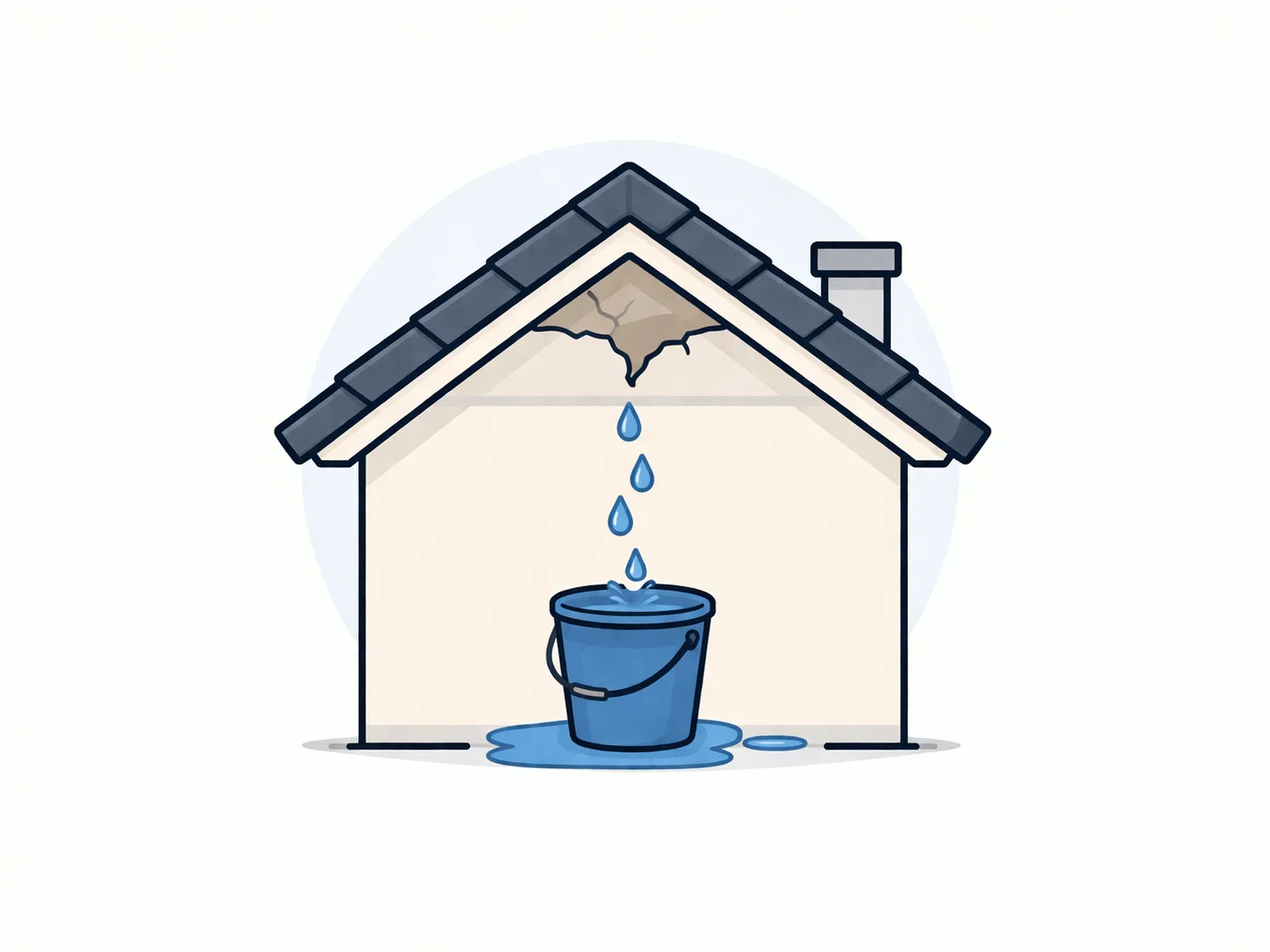
Garage Water Heater
Around here the water heater usually sits in the garage or a utility room. When it goes, it runs from the garage into the house and the adjacent carpet is first.

Second Floor Bathrooms
Water leaking upstairs comes down into the first floor ceiling. The actual wet area is much wider than the stain.

Upstairs Laundry Hoses
A lot of these houses have the washer on the second floor. A burst hose sends water through the lower floor in one go.

Basements
North of Atlanta the terrain is hilly and basements are common. Water from inside the house ends up here, and water from outside fills here first.

Roofs After Spring Storms
Once the roof opens, the attic insulation gets wet first. Fix the roof and leave the interior and it returns as mold in a few weeks.
Winter Pipe Freezes
Georgia gets cold enough to freeze pipes every few years. The problem is not the freezing, it is the thaw. Water dumps out all at once where it split.
From Request to Rebuild, All in Korean

Request a Free Quote (2 Minutes)
Just tell us where the water came from and how far it has spread. A few photos are enough. We match you, free, with a vetted restoration contractor.

Damage Scope Confirmed
The contractor uses moisture meters to find water you cannot see. Inside walls, behind baseboards, under the floor. Nothing gets quoted until the wet area is mapped.

Extraction, Drying, Documentation
Water comes out, equipment goes in. The daily moisture log they keep is the same document your insurance claim runs on. We walk you through it in Korean.

Compare the Rebuild Quote
Once it is dry, putting back what was cut out is a separate job. That is the second invoice. We confirm the total in Korean before you sign.
What Is Different Here
The restoration sequence is the same anywhere. But the houses and the weather here change some of the conditions:
- Basements: water collects downward, so damage crosses floors
- Summer humidity: seal it up and pull with equipment, windows backfire
- Winter freezes: burst pipe requests spike and schedules back up
- Red clay soil: drains poorly and holds water against the foundation
- Coverage line: basement flooding may be flood insurance territory
So the same size loss takes more drying days in Atlanta, and if there is a basement the damage does not stop on one floor. Check those two things first when you look at a quote.
Can You Get Your Home Restored If You Do Not Speak English?
Yes. Our restoration partners do not have Korean-speaking crews. That is exactly why this part is our job. We translate the quotes and work reports the contractor sends, line by line, into Korean. We explain what your insurance paperwork actually says. And we tell you the total before any money moves. You will never sign a document you cannot read.
Frequently Asked Questions
Duluth, Suwanee, Johns Creek, Lawrenceville, Norcross, Buford, and Alpharetta, across metro Atlanta. Give us the exact address and we connect you with contractors who actually run in that area. City boundaries overlap here, so a zip code makes it faster.
The terrain is hilly, so basements are common. Three things to check: whether the sump pump actually runs, whether the ground around the house slopes toward it, and whether gutter water is dumping right next to the foundation. Restore it without fixing those and the next heavy rain repeats it.
On a lot of Georgia summer days the outside air is more humid than the inside air. Opening the windows then brings moisture into the house instead. Sealing it up and pulling with a dehumidifier is the right approach, which is part of why drying takes a bit longer here.
Once a cold snap passes, requests come in all at once and contractor schedules back up. While you wait, shut the water off, get the standing water out, and move wet belongings clear. That is what limits the damage. Keep the dates and photos.
It comes down to where the water came from. A pipe bursting inside the house is generally homeowners insurance. Water that came in from outside across the ground, meaning a flood, is usually separate flood insurance and commonly excluded from homeowners policies. Check your own policy for exact coverage.
Yes, 100% free. There is no cost to be matched and no cost for a quote. The contractor who wins the job pays our fee.
Yes. That is most of what we do. We walk you through the contractor’s paperwork and the estimate your carrier sends, in Korean. We are not an insurance agent and we cannot promise your claim gets paid. Our job ends at making sure you understand it before you decide.
Not yet. Our restoration partners do not have Korean-speaking crews. So Korean Home Service handles the Korean. We translate the documents, and if you want, we join the on-site walkthrough with you.
