
Atlanta Water Extraction & Drying: Matched With Verified Contractors
Wiping up the water you can see and drying out the house are two different jobs. Water that got inside the wall, behind the baseboard, and under the flooring stays there after the surface looks dry. Korean Home Service matches you, free, with vetted contractors who carry moisture metering equipment, and walks you through their reports in Korean.
In short: Extraction and drying means pulling out the standing water, then running air movers and dehumidifiers until the moisture inside the materials drops below baseline. The end is set by the readings, not by the calendar. Korean Home Service matches you with vetted contractors for free and explains the log in Korean.

At a Glance (TL;DR)
- Standing water out, then moisture inside materials dried. Two separate stages
- The finish is decided by moisture readings, not by a number of days
- Air movers alone will not dry it. A dehumidifier has to pull moisture from the air
- The daily readings are your insurance claim documentation as is
- Free matching with license and insurance verified contractors. Log explained in Korean
Korean Home Service Is Here to Help
We simplify the repair and improvement process for Korean homeowners. We give you cost guides, calculators, and project tips, then match you with qualified contractors to do the actual work.
What to Watch During Drying
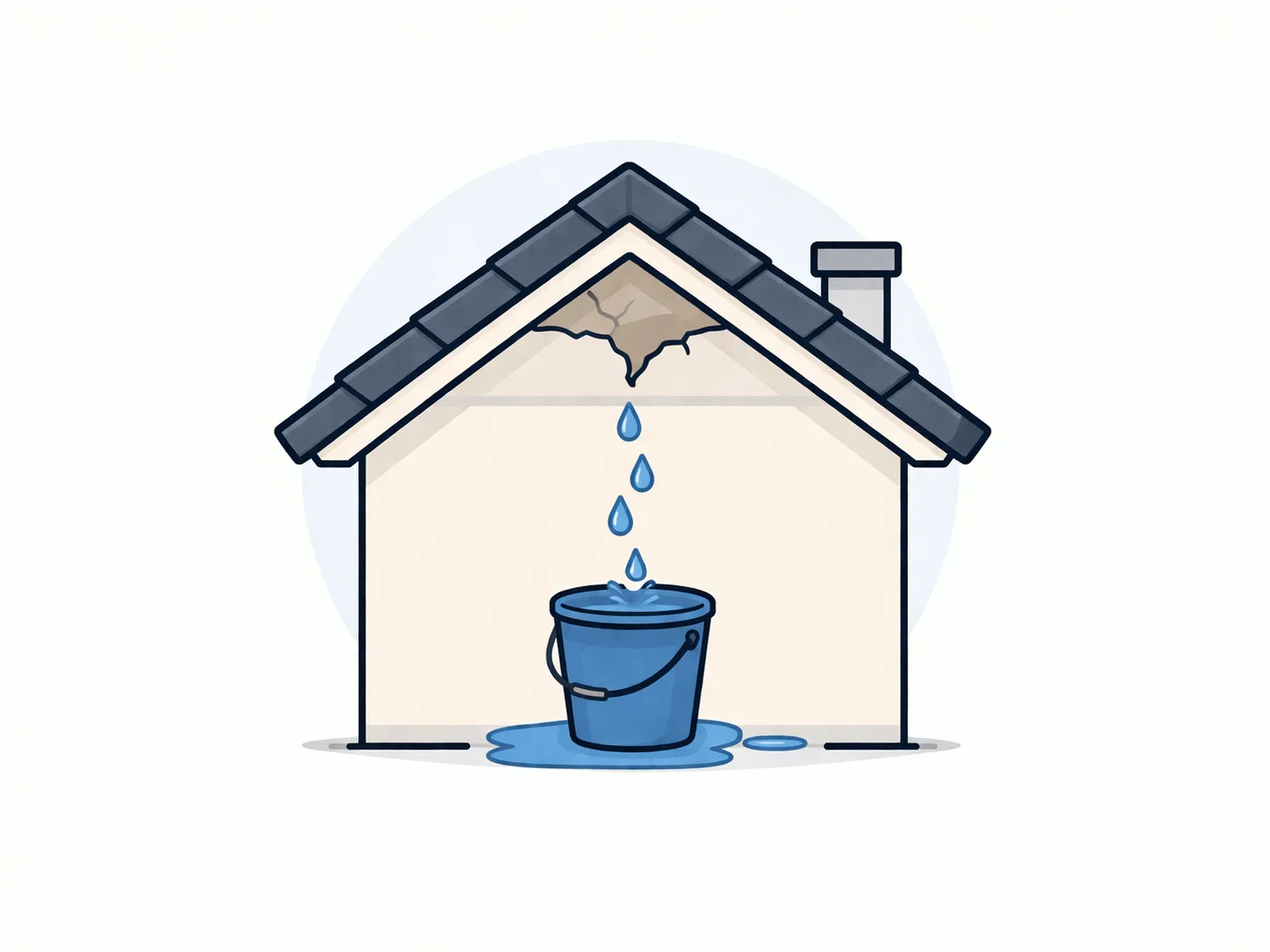
Standing Water Extraction
Pumps and extractors take surface water first. On carpet they pass over it repeatedly until stepping on it stops bringing water up.

Setting a Dry Baseline
They measure the same material somewhere it did not get wet. Without that number there is no basis for calling anything dry.

Air Mover Placement
Air is pushed across wet surfaces to lift the moisture off. Wrong count or wrong angle adds days.

Running Dehumidifiers
That lifted moisture has to come out of the air. Without this the water just circulates inside the house.

Drying Inside Walls
Baseboards come off and holes go in low on the wall so air can get into the cavity. Ask first whether it can be dried without opening it.
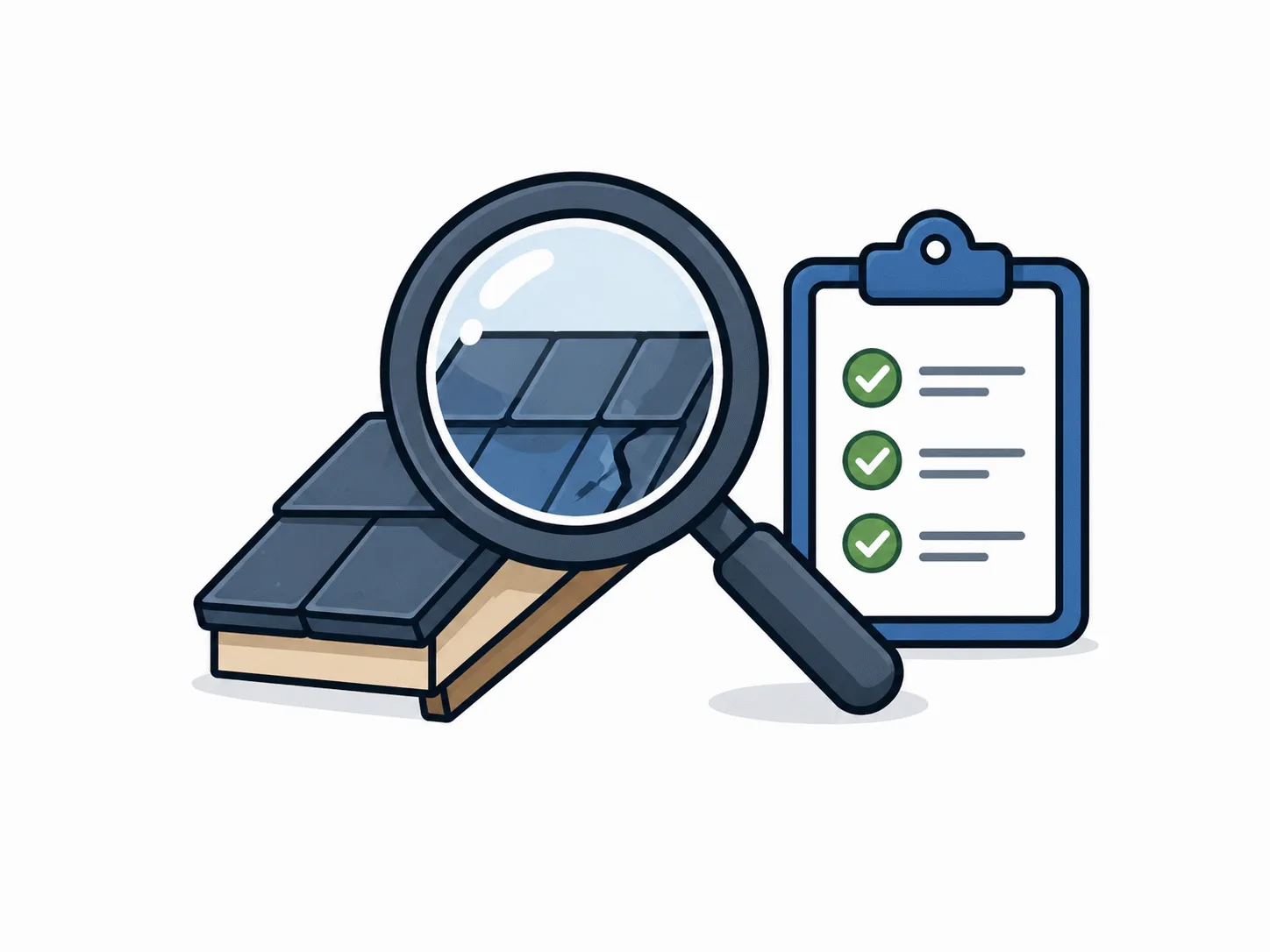
Closing Documentation
The final reading, the date it hit baseline, and the number. That is the justification for pulling the equipment and the last page of the insurance file.
From Request to Rebuild, All in Korean

Request a Free Quote (2 Minutes)
Just tell us where the water came from and how far it has spread. A few photos are enough. We match you, free, with a vetted restoration contractor.

Damage Scope Confirmed
The contractor uses moisture meters to find water you cannot see. Inside walls, behind baseboards, under the floor. Nothing gets quoted until the wet area is mapped.

Extraction, Drying, Documentation
Water comes out, equipment goes in. The daily moisture log they keep is the same document your insurance claim runs on. We walk you through it in Korean.
Compare the Rebuild Quote
Once it is dry, putting back what was cut out is a separate job. That is the second invoice. We confirm the total in Korean before you sign.
What Drives the Cost of Drying
A drying quote moves on units multiplied by days. Here is what to look for on it:
- Air movers x days running
- Dehumidifiers x days running
- What material got wet (carpet, hardwood, concrete)
- Whether the wall cavities get dried (includes baseboard removal)
- Labor for setup, monitoring, and takedown
Every extra day the equipment runs adds to the invoice. Pull it early on material that is not dry, though, and you start over with mold in a few months. So a contractor who ends the job on a reading is the one who ends up costing less.
Can You Get Your Home Restored If You Do Not Speak English?
Yes. Our restoration partners do not have Korean-speaking crews. That is exactly why this part is our job. We translate the quotes and work reports the contractor sends, line by line, into Korean. We explain what your insurance paperwork actually says. And we tell you the total before any money moves. You will never sign a document you cannot read.
Frequently Asked Questions
You cannot tell by touch. A moisture meter reads the material that got wet, and it is done when that reads the same as the identical material elsewhere in the house that stayed dry. Ask your contractor for the baseline number and today’s number. If they cannot give you both, they are pulling equipment without a basis.
Do not pull it right away. Wood often gives moisture back over several days and returns much of the way to its original shape. Tearing it out in a hurry means throwing away floors that would have come back. It changes if contaminated water got in or if the material underneath got wet.
It depends on the water category. If it was clean water and you moved fast, the carpet is often saved and only the pad underneath gets discarded. The pad is a sponge and does not dry once soaked. If sewage came in, the rule is that both carpet and pad go.
Running equipment for several days does raise usage noticeably. But saving those few days by leaving material wet comes back as demolition and rebuild later. If this is an insurance claim, ask your contractor whether the power usage can go on the claim.
Only helps when the outside air is drier than the inside air. On a humid Atlanta summer day, opening the windows brings moisture into the house instead. That is why the approach is to close it up and pull the moisture out with a dehumidifier.
Yes, 100% free. There is no cost to be matched and no cost for a quote. The contractor who wins the job pays our fee.
Yes. That is most of what we do. We walk you through the contractor’s paperwork and the estimate your carrier sends, in Korean. We are not an insurance agent and we cannot promise your claim gets paid. Our job ends at making sure you understand it before you decide.
Not yet. Our restoration partners do not have Korean-speaking crews. So Korean Home Service handles the Korean. We translate the documents, and if you want, we join the on-site walkthrough with you.
