
US Roofing Guide: How to Choose the Right Roofer Without Overpaying
 Roofing expert David Lea · Korean Home Service editorial team
Last updated: July 25, 2026
Contents

- The cheapest bid ends up costing the most for a simple reason: cheap crews skip the parts that actually stop leaks, namely the flashing, the deck and underlayment beneath the shingles, and the pipe boots.
- Real 2026 Atlanta repair prices: one pipe boot around $400, a flashing repair around $1,500 to $1,800, a valley replacement around $2,500 to $3,000. Every roof is different.
- Three red flags of a bad roofer: no work photos, a simple repair that drags past 3 hours, and going silent mid-job.
- If a bid is far lower than the others, that is the most dangerous signal. The materials and steps that got cut come back later as water.
- Korean Home Service connects Atlanta Korean homeowners to a vetted roofer who inspects honestly, sends photos, and translates the whole way through.
You got three roof quotes. One of them is way cheaper than the rest, and it is tempting to go with it. That makes sense. Nobody wants to overpay, and nobody wants to get taken in a field they do not know well.
But David Lea, the roofing expert who works with Korean Home Service, will tell you straight: the cheapest bid is exactly where homeowners get burned the most. What makes it worse is that the damage is invisible. When the job is done, the roof looks brand new. Then the next hard rain drips through your ceiling, and only then do you find out what the cheap crew skipped.
This guide shows you how to choose a roofing company and spot those shortcuts before they cost you: how to read a bid, the three technical tells that separate a good roofer from a bad one, and what roof repair actually costs in Atlanta.
The 3 Technical Tells Cheap Roofers Skip
This is the part that matters most. The three spots below are where cheap crews cut corners most often, and they are the first places David checks on any roof he climbs. When you get a quote, ask how the roofer handles these three, and their skill shows immediately.

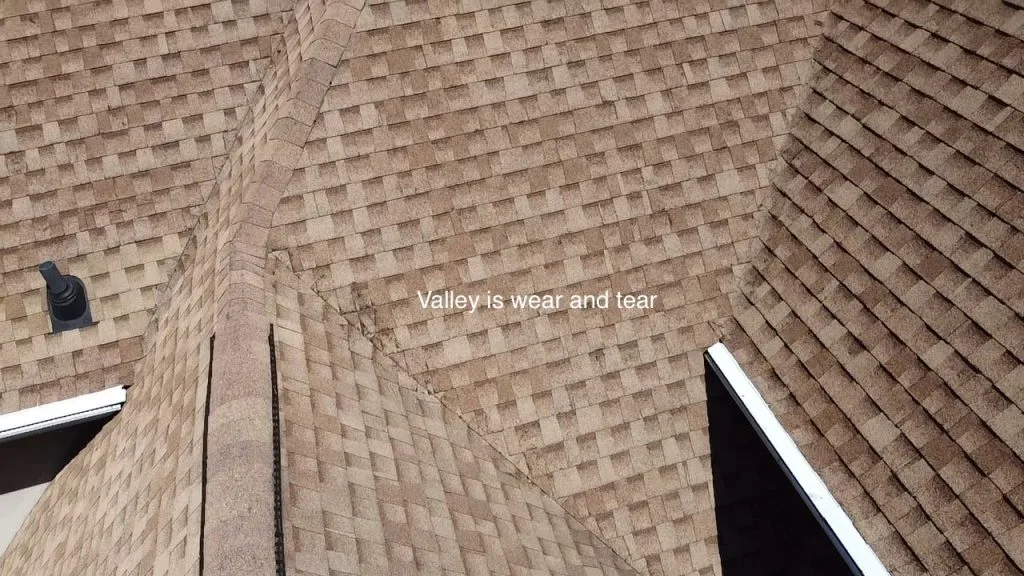
1. Flashing. Flashing is the thin metal that seals the joints on your roof. It goes around the chimney, in the valleys (the V-shaped channel where two roof planes meet and water runs down), and where a brick wall meets the roof. It is hard to reach and takes time, so cheap crews skip past it, often just smearing caulk over the old flashing. Done right, you replace the whole section of flashing, not just patch one piece. Patch only a small spot and the water path stays, so it leaks again in the same place at the next rain. When you get a quote, ask: “Do you replace the flashing, or reuse the old one?”
2. Nail pops and buckling shingles done the lazy way. When a shingle will not lie flat and one side lifts up, there is usually a nail popping up underneath it. The cheap fix is to re-drive that nail or swap a single shingle and call it done. It looks fixed on the surface, but it skips the two things that matter: replacing the damaged deck (the wood board under the shingles) and laying new underlayment (the water barrier between the wood and the shingles). Skip those and the wood is already soaked, so the same spot fails again before long.

3. Pipe boots. A pipe boot is the rubber seal that wraps the pipes sticking up out of your roof and keeps water out. Cheap crews just smear caulk over the old one and move on. David recently found a pipe boot on one roof with no nails in it at all. It was held on by the rubber alone. In that condition, when a storm hits, the wind gets under the boot, lifts the whole thing, and tears the surrounding shingles off with it. A whole section of roof gone because a few nails were never driven right.
The shortcuts you just read? A vetted roofer never takes them.Get a free quote from a roofer whose license, insurance, and real reviews I have personally checked.
Get a Free Quote →What Roof Repair Actually Costs in Atlanta (2026)
These are the prices David actually charges in the field. Every roof is in different shape, so treat them as rough ranges, not a fixed promise. Still, knowing these numbers tells you right away when a bid is too cheap to be safe.
- Single pipe boot: around $400.
- Four pipe boots: around $1,200 to $1,500.
- Flashing repair (a front slope meeting a wall): around $1,500 to $1,800.
- Long valley replacement (about 10 feet, two nail pops): around $2,500 to $3,000.
- A real combined repair David did (valley plus pipe boot plus dryer vent): $2,900.
- Minimum for any repair: around $400, depending on the job.
If a bid comes in far under these numbers, that is when you have to ask. The money came out of somewhere. Either they swapped in cheaper materials, or they cut steps out of the work. There is always a reason a bid is cheap.
Red Flags of a Corner-Cutting Roofer
Watch for these three.
- No work photos. A good roofer documents the job and sends you photos. If nobody sends before-and-after shots, there is no proof of what was actually done up on the roof. If you ask for photos and they keep putting it off, that alone is a signal.
- A simple repair drags on. Most repairs are done in 1 to 3 hours. If it runs well past that, the crew is often unprepared or does not know how to do the job.
- They go silent mid-job. Stepping away to grab materials happens to everyone. The problem is when you cannot reach them at all. On a job with money on the line, going silent is the surest red flag.
How to Read the Price Gap Between Bids
The spread between quotes tells you a lot.
- If one bid is clearly higher, that roofer usually knows exactly what the job needs and priced it for real. Higher is not always a rip-off.
- If two bids are only a few hundred dollars apart, they are basically the same. In that case, choose the person you trust more and who communicates better, not the lower price.
- The one to really watch out for is the bid that is way lower than everyone else. That gap is materials and steps getting cut, and it comes back as a leak a year or two later.
Start with an honest roof inspection
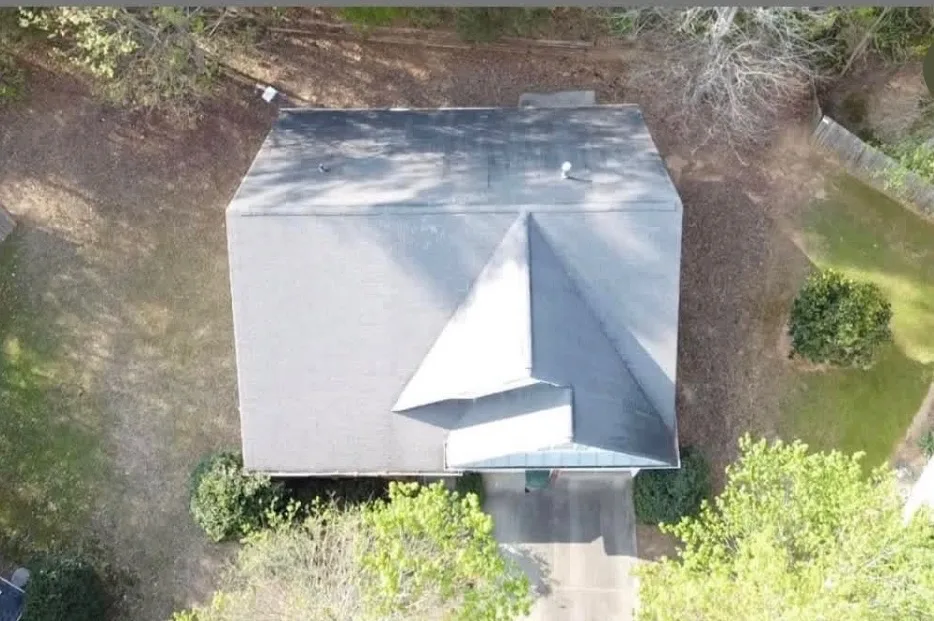
You do not have to figure out which bid to trust on your own. Korean Home Service connects you with a vetted roofer who inspects your roof by drone and by hand, sends you before-and-after photos, and gives you a fair price. Every roofer is checked for license, insurance, and real reviews up front, and we translate for Korean homeowners so nothing gets lost in between.
Get your free quote →No sign-up fee · Korean-language support · Honest inspection
Frequently Asked Questions
Why do cheap roofers cost more in the long run?
Because low bids hide skipped work. They leave the old flashing in place, patch shingles without fixing the deck and underlayment, and skip nailing the pipe boots. Shortcuts like these usually start leaking within a year, and you end up fixing the same spot twice and paying twice.
How much does a roof repair cost in Atlanta?
Most repairs start around $400. A single pipe boot runs about $400, a flashing repair is $1,500 to $1,800, and a valley replacement is $2,500 to $3,000. Every roof is different, so get an inspection first.
How long should a normal roof repair take?
Most repairs run 1 to 3 hours. If it drags well past that, treat it as a red flag and ask what is going on.
Should I always pick the lowest roofing bid?
No. The bid that is way lower than everyone else is usually the riskiest, because that is where materials and steps get cut. A slightly higher bid is often the roofer who actually knows what the job needs.
What should a good roofer give me during the job?
Work photos, clear communication, and a fair price. If you get none of these three, find someone else.
About the expert — David Lea
David Lea is a roofing expert with Southern Integrity Roofing, working since 2020 across Suwanee and the greater Gwinnett area. He specializes in honest roof inspections (drone and hands-on), insurance-claim roofing, and catching the flashing, deck, and pipe-boot failures behind most leaks. More from David at koreanhomeservice.com/david-lea.
About the Korean Home Service editorial team — Tony Jung, founder
The Korean Home Service editorial team, led by founder Tony Jung, connects Atlanta Korean homeowners with vetted English-speaking home-service experts. The team translates and localizes every expert guide so nothing gets lost between the contractor and the homeowner. More at koreanhomeservice.com/author-tony-jung.

I don't refer just anyone
I only connect you with roofers whose license, insurance, and real reviews I have personally checked. Any roofer who fails that check never makes my list.
Get a Free Quote →Related
Atlanta Roof Repair & Replacement
Free quote · Korean-language support
Leaks, shingle repair and full replacement. We connect you with licensed, insured roofers.
Atlanta Gutter Installation & Cleaning
Free quote · Korean-language support
A clogged gutter pushes water back into your roof and walls. Installation, routine cleaning and gutter guards.
Commercial Roofing for Atlanta Businesses
Free quote · Korean-language support
Flat roofs live and die by drainage. Restaurants, marts and offices, with evening and weekend work so you stay open.
